Beyond the Bamboo: Things to Do in Arashiyama
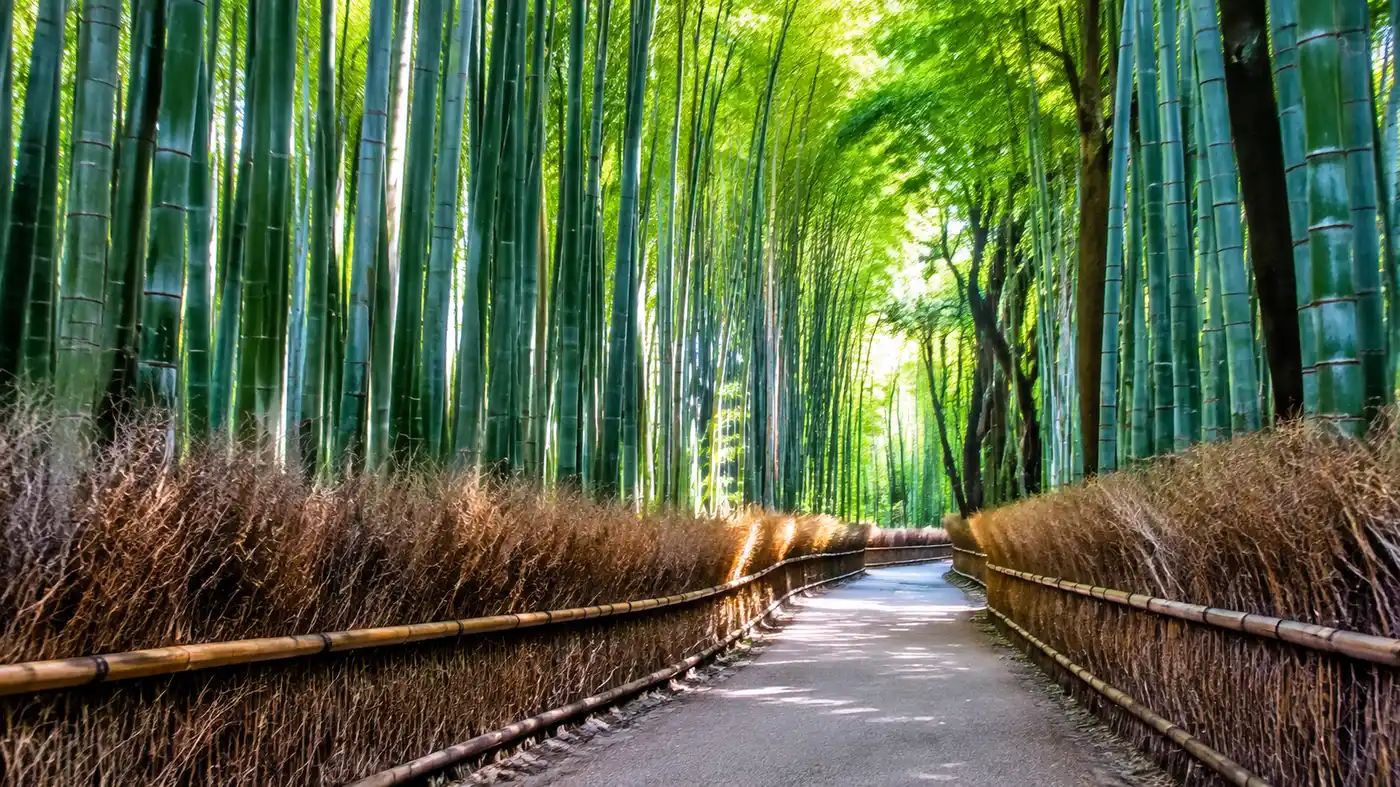
Arashiyama, nestled on the western outskirts of Kyoto, feels like a world away from the city's bustling core. Most people come here for the iconic bamboo forest, and honestly, who can blame them? Those towering stalks, filtering sunlight into an ethereal green glow, are simply breathtaking. But if you only see the bamboo, you are truly missing out on so many amazing things to do in Arashiyama. This district offers a rich tapestry of nature, history, and unique cultural experiences that go far beyond that famous grove. I’ve been to Arashiyama a few times now, always finding something new to appreciate. It's a place where you can easily spend a full day, or even more, wandering through ancient temples, encountering playful monkeys, or simply enjoying the riverside views. Let's dive into some of the best spots and experiences you absolutely should not skip on your next trip.Book your arashiyama bamboo forest experience:
The Green Heart: Tenryu-ji Temple and Arashiyama Bamboo Grove
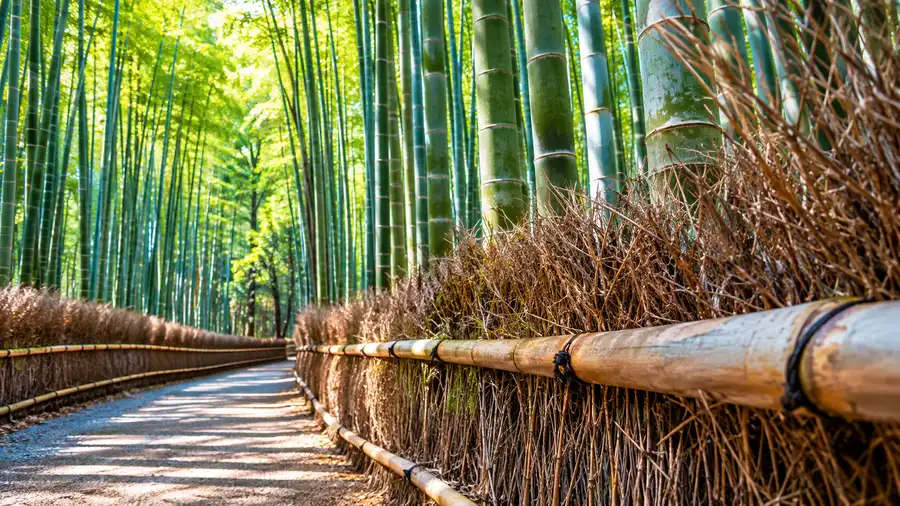
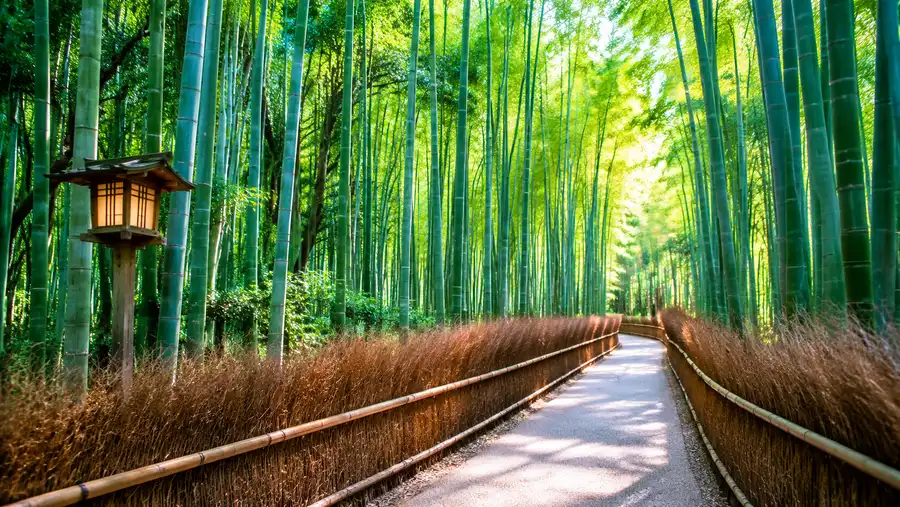
You absolutely have to start with the Arashiyama Bamboo Grove. It is the main draw for a reason. Walking through those towering bamboo stalks, especially early in the morning, feels almost spiritual. The way the light filters down, making everything glow green, creates a truly unforgettable atmosphere. It gets incredibly crowded, so my advice is always to arrive right when things open, or even before if you can manage it. We got there once around 7:00 AM and had stretches of the path almost entirely to ourselves. This allowed for some really peaceful moments and better photos. If you are planning your visit, you might find some useful tips in this Arashiyama Bamboo Forest Itinerary. Right next to the bamboo path, you will find Tenryu-ji Temple. This UNESCO World Heritage site is one of Kyoto's most important Zen temples. It was built in the 14th century by the shogun Ashikaga Takauji. The main hall is impressive, but for me, the real highlight is its stunning landscape garden, Sogenchi Teien. This garden has been maintained in its original form for centuries, with a large pond, carefully placed rocks, and a backdrop of the Arashiyama mountains. Wandering around it, you get a real sense of peace and history. It is a fantastic example of a traditional Japanese strolling garden, designed to be enjoyed from multiple viewpoints.Pro tip: Buy the combined ticket for Tenryu-ji that includes both the garden and the temple buildings. The interior of the main hall offers a different perspective of the garden and some beautiful painted screens you would otherwise miss.
Monkey Business and River Views: Arashiyama Monkey Park and Togetsukyo Bridge
After the serenity of the bamboo and temple, maybe you want a bit more adventure. Head across the Togetsukyo Bridge. This iconic wooden bridge spans the Hozugawa River and offers fantastic views of the surrounding mountains and the boats drifting by. It is beautiful in any season. I especially love it during autumn when the hills are ablaze with color, or in spring with the cherry blossoms. The bridge itself has quite a history, first built in the 9th century and rebuilt many times since. It is the perfect spot for a scenic photo. From the bridge, it is a short walk to the base of the mountain where the Arashiyama Monkey Park Iwatayama is located. Now, this is an experience! You have to hike up a moderately steep path for about 20 minutes. It is a good little workout, but the reward at the top is worth it. You get to see over 120 Japanese macaque monkeys roaming freely. They are wild, but used to humans. There is a fenced enclosure at the summit where you can go inside and feed the monkeys from a safe distance. They will actually grab the food right from your hand through the wire mesh.Note: While the monkeys are accustomed to people, they are still wild animals. Do not stare them directly in the eyes, as they might interpret it as aggression. Keep your distance outside the feeding area.
Art, Shopping, and Tradition: Kimono Forest and Arashiyama Shopping Street
Walking back towards the Saga-Arashiyama station, you will stumble upon the Kimono Forest Kyoto. This is a relatively new addition to the area, but it is really charming. It is an art installation featuring about 600 cylindrical poles, each displaying a different pattern of Kyo-yuzen fabric, a traditional dyeing technique used for kimonos. They are arranged like a small forest, and at night, they are beautifully illuminated. It makes for some fantastic photos and is a very unique sight. It is free to wander through, and there is a small pond at the end where you can make a wish. Right near the station and the Kimono Forest, you will find the main Arashiyama shopping street. This area is bustling with souvenir shops, small cafes, and traditional sweet shops. You can find all sorts of local crafts, snacks, and gifts here. I always grab some Yatsuhashi, a traditional Kyoto sweet, either raw or baked. There are also places selling matcha flavored treats, which are always a hit. It is a great place to pick up some unique souvenirs or just enjoy the lively atmosphere. If you are feeling a bit fancy, or just tired of walking, consider an Arashiyama rickshaw tour. These traditional hand-pulled carts are a wonderful way to see the area. The drivers are often very knowledgeable about the local history and sights, and they will take you to some lesser-known spots. It is a bit pricey, I think we paid around 7,000 yen for a 30-minute ride for two people, but it is a really memorable experience and offers a different perspective of the scenery, especially along the river. You can find them near the Togetsukyo Bridge and the main street.Book your arashiyama bamboo forest experience:
Hidden Corners and Quiet Retreats: Okochi Sanso Villa
While the main attractions are fantastic, Arashiyama has some quieter spots if you want to escape the crowds for a bit. My personal favorite is Okochi Sanso Villa, the former home and garden of silent film actor Denjiro Okochi. It is tucked away at the very end of the main bamboo path, which means many people turn back before they even reach it. The entrance fee is a bit steep, usually around 1,000 yen, but it includes a cup of matcha tea and a sweet in a traditional tea house at the end of your visit. The villa itself is a sprawling complex of traditional Japanese buildings and meticulously maintained gardens. It took Okochi-san 30 years to build and design. You can wander through different garden styles, from moss gardens to dry landscape gardens, all offering incredible views of the surrounding mountains and Hozugawa River. It is honestly one of the most serene places in Arashiyama. The views from the various buildings are just stunning, changing with every turn. I always recommend this to friends looking for truly special things to do in Arashiyama.- Entry fee: Around 1,000 yen per person.
- Included: Matcha tea and a small sweet.
- Time needed: About 45 minutes to an hour to explore thoroughly.
- Location: At the far end of the Arashiyama Bamboo Grove.
Savoring Arashiyama: Food and Drink
You cannot explore all these amazing spots without fueling up. Arashiyama has a surprising variety of food options, from casual street food to elegant traditional dining. Along the main Arashiyama shopping street, you will find stalls selling anything from grilled mochi skewers to green tea ice cream. I always grab a fresh dango stick, those sweet rice dumplings, which are perfect for a quick snack. For something more substantial, there are many small restaurants offering traditional Japanese fare. Many specialize in Yudofu, boiled tofu, which is a local specialty, especially in the colder months. Others serve tempura, soba, or even Western-style cafes. We once had a fantastic set lunch near the river that featured seasonal vegetables and perfectly crisp tempura. It was around 2,500 yen per person, which felt like a fair price for the quality and the view. If you are looking for specific recommendations for where to eat or even stay, you might find more details in this guide to Arashiyama Restaurants & Hotels.| Attraction | Estimated Entry Fee (JPY) | Typical Time Spent |
|---|---|---|
| Tenryu-ji Temple (Garden & Hall) | 1000 | 60-90 minutes |
| Arashiyama Monkey Park | 550 | 60-90 minutes (includes hike) |
| Okochi Sanso Villa | 1000 | 45-60 minutes (includes tea) |
| Hozugawa River Boat Ride | 4500 | 120 minutes |
Frequently Asked Questions about things to do in arashiyama
How do I get to Arashiyama from Kyoto Station?
The easiest way is to take the JR Sagano Line (also known as the San-in Line) directly from Kyoto Station to Saga-Arashiyama Station. The ride takes about 15 minutes.
Is Arashiyama worth visiting if I only have one day in Kyoto?
Absolutely, it is one of Kyoto's must-see districts. You can easily spend half a day here, or a full day if you want to explore everything at a relaxed pace. It is a fantastic escape from the city.
What is the best time of year to visit Arashiyama?
Spring (cherry blossoms) and autumn (fall foliage) are visually stunning, but also the most crowded. Summer offers lush greenery, and winter can be beautiful with light snow and fewer tourists. I think any season has its charm.
Quick Reference
- JR Sagano Line to Saga-Arashiyama.
- Bamboo Grove is free, best early.
- Monkey Park requires a 20-minute uphill walk.
- Okochi Sanso includes matcha tea.
- Togetsukyo Bridge offers great views.
Book your arashiyama bamboo forest experience:
My Take on Arashiyama
Honestly, Arashiyama is more than just a pretty picture. It is a place that engages all your senses, from the whispering bamboo to the lively street food, the playful monkeys, and the serene gardens. You can find adventure, peace, and culture all in one place. Do not just rush through the bamboo grove; take your time, explore the side paths, visit a temple or two, and maybe even feed some monkeys. You will leave with a much richer experience and a deeper appreciation for this truly special corner of Japan. It is definitely worth the trip, and I hope you enjoy discovering all the amazing things to do in Arashiyama.Read more about arashiyama bamboo forest.